
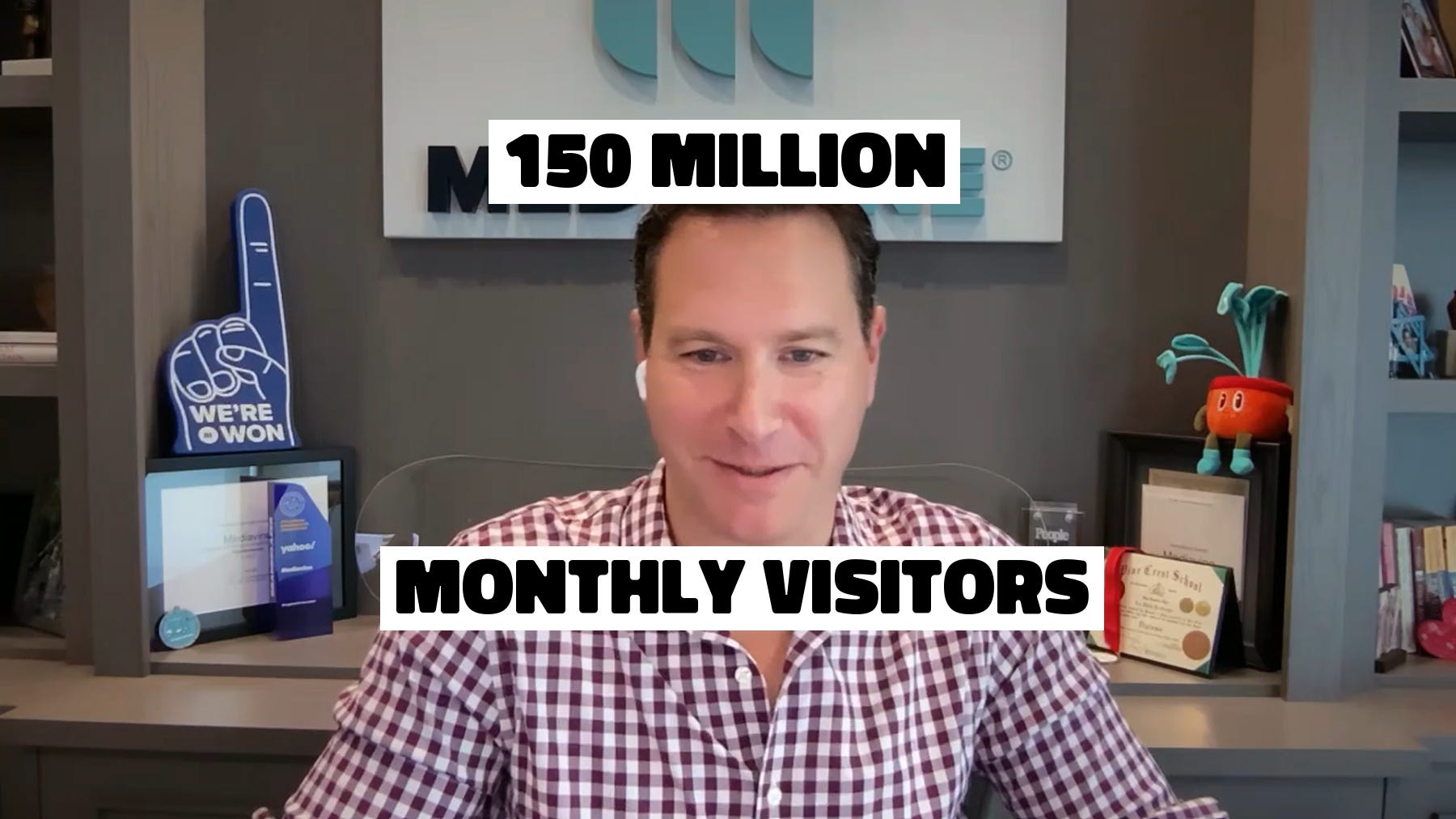
In 2004, Eric Hochberger co-founded Mediavine, which would eventually become one of the most influential ad management companies on the open web. The company didn’t start as an ad tech firm — it began as a scrappy collection of SEO-fueled fan sites, built by three founders chasing traffic in the early blogosphere. While selling $50 sidebar ads and offering SEO consulting services, Hochberger and his partners learned firsthand how fragile and inconsistent early digital advertising could be. That experience ultimately pushed Mediavine to build its own header bidding system in 2014, a move that quadrupled the company’s ad revenue and transformed it from a publisher into an ad management platform.
Today, Mediavine represents roughly 17,000 publishers and operates with a 140-person team, primarily serving independent creators rather than legacy media brands. In a recent interview, Hochberger pulled back the curtain on how programmatic advertising actually works, why “made-for-advertising” sites are siphoning off industry dollars, and how Google’s AI Overviews are reshaping traffic patterns — sometimes wiping out entire businesses overnight.
Let’s jump into it…
The SEO Arbitrage Era
Mediavine’s origin story reads like a time capsule from the mid-2000s internet. Hochberger and his two co-founders initially made money through SEO consulting. They ran their own “fun sites”—fan blogs and gossip properties—because those were easier to attract backlinks to.
Back then, Google’s algorithm leaned heavily on PageRank. Links from authoritative sites carried immense weight. So if you could build traffic to a celebrity blog, you could quietly pass that authority to a client selling steel buildings.
“We would get a link to us and then we would link from a celebrity gossip site over to a steel building site,” Hochberger recalls. “I can’t believe Google would consider that and would still pass on the page rank or the authority. It was a different era of SEO.”
The blogs weren’t initially meant to be media businesses. They were SEO assets. But over time, advertising revenue began to outpace client services revenue.
“That’s when we realized you can make a living off of writing content, which was not a concept I think people knew about in 2004.”
By 2008 or 2009, the company had joined early ad rep firms like Federated Media and Evolve. Revenue became seasonal and volatile—Q4 flush with campaigns, Q1 barren—but it was enough to abandon clients and go all-in on publishing.
Paywall incoming…
The rest of this case study is behind a paywall, but if you aren’t ready to subscribe, you can also download it as an ebook over here.