
How a consultant built a massive following with unscripted TikTok and YouTube videos
Ashanti Bentil-Dhue explained how her viral videos about single women grew into a real business.
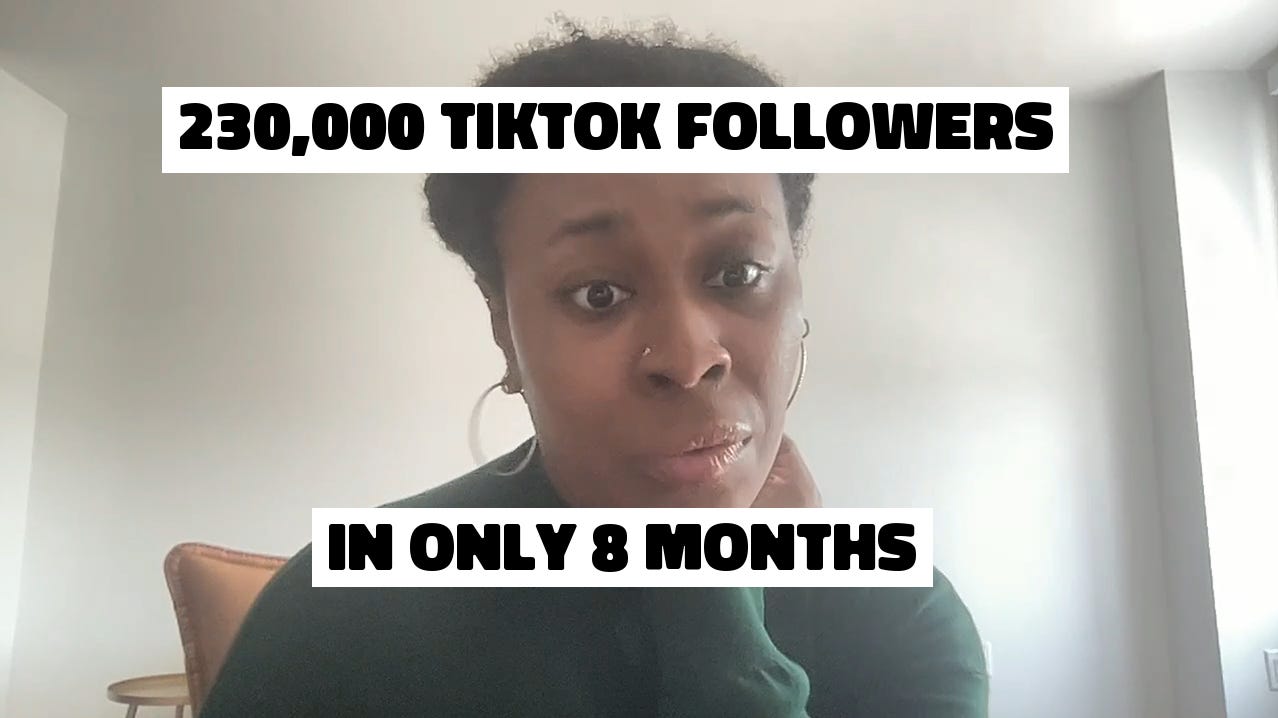
When Ashanti Bentil-Dhue launched a TikTok account in October 2025, she didn’t have a content calendar, a production team, or even a meaningful social media presence. She had spent the previous decade building a successful consulting business through direct outreach and referrals. Instagram held little appeal. TikTok felt intimidating. And the idea of becoming an online personality was something she had deliberately avoided for most of her career.
Nine months later, she had built one of the fastest-growing thought leadership brands in her niche. More than 200,000 people followed her on TikTok. Tens of thousands more subscribed on YouTube, LinkedIn, and Substack. She had generated more than $60,000 in revenue through digital products, launched a growing publication around what she calls the “single woman economy,” and begun attracting consulting inquiries from organizations interested in understanding an increasingly influential demographic.
Perhaps the most surprising part of the story is how she accomplished it. At a time when creators obsess over cameras, editing software, thumbnails, hooks, and platform algorithms, Bentil-Dhue intentionally ignored most of it. Her videos are largely unscripted. She records them in a single take. She rarely edits anything. Instead of chasing trends, she focuses relentlessly on one idea: becoming the definitive voice on the changing role of single women in society and the economy.
In a recent interview, Bentil-Dhue explained how she built a large audience despite having no prior social media experience, why she believes consistency matters more than high-end production, and how she’s turning her growing platform into a sustainable business.
Let’s jump into it…
Turning consulting expertise into public thought leadership
Long before she became a creator, Bentil-Dhue had built a career advising organizations on cultural transformation, governance, and regulation. After leaving the corporate world, she spent a decade running her own consultancy, sometimes employing staff but often operating as a solo entrepreneur serving enterprise clients.
That experience shaped almost everything that came later.
Unlike many creators who begin with the goal of becoming influencers, Bentil-Dhue already knew how to sell expertise. She had spent years speaking with executive teams, conducting workshops, and helping organizations navigate complex cultural issues. What she lacked wasn’t subject-matter knowledge—it was a public platform.
Moving from London to New York became an opportunity to rethink how she wanted to build her next chapter. Rather than immediately rebuilding a larger consulting firm, she intentionally downsized her business before relocating so she could experiment without the responsibility of managing a team. That freedom allowed her to pursue something she had avoided for years: publishing her ideas under her own name.
Her central thesis emerged from work she had already been doing inside organizations.
Corporate diversity initiatives had traditionally focused on women through the lens of motherhood—parental leave, childcare, flexible work arrangements, and career progression after having children. Bentil-Dhue believed another demographic had become increasingly overlooked: women who were single and child-free, whether by circumstance or by choice.
“The workplace,” she argued during the interview, “hasn’t necessarily shifted to recognize the different forms of womanhood that exist.”
Importantly, this wasn’t simply a social observation. It represented a positioning strategy.
Rather than competing in the crowded world of general self-improvement or women’s lifestyle content, she identified a specific audience with shared economic and cultural characteristics. That clarity would later prove critical as her content spread across platforms.